


Where Does Building a Construction Brand Begin?
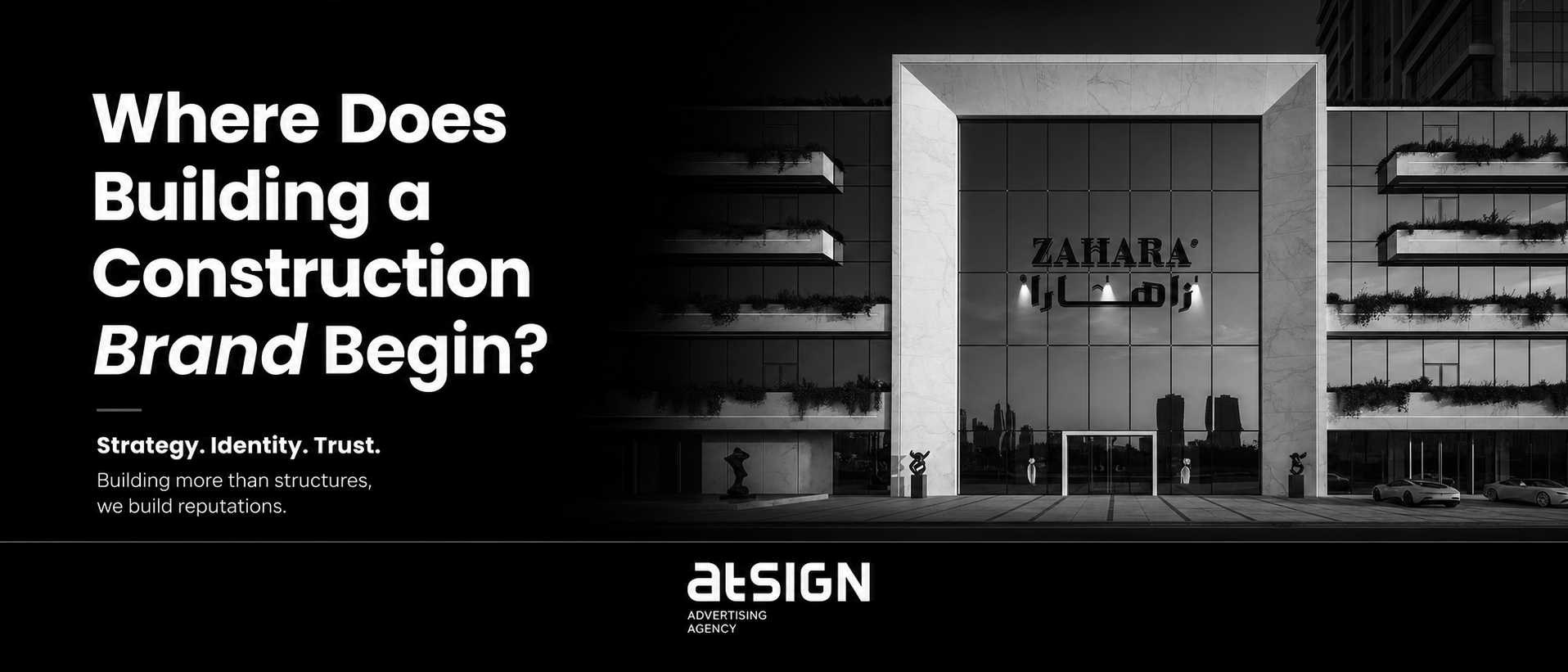
A construction or development project may begin with finding the right land, selecting the project, designing the plans, and preparing the construction schedule. Building a construction or real estate development brand, however, begins somewhere else.
A construction brand starts to take shape when a company or project can answer one central question:
Why should a customer or investor choose my project among thousands of other developments and investment opportunities?
In a market where many projects are presented with claims such as high construction quality, premium materials, distinctive architecture, an excellent location, and exceptional design, being good is only the minimum requirement. A project must communicate its difference in a way that is clear, relevant, and supported by evidence.
This is where branding becomes important in construction and real estate development
Branding a construction project is not limited to designing a logo, selecting a name, creating a visual identity, or launching an Instagram page. A brand is the collection of reactions, feelings, and experiences that people associate with the project, the developer, the sales team, and the quality of every interaction.
To create a strong customer experience, a construction brand must build a clear connection between three points:
- The reality of the project
- The needs and expectations of the audience
- The image the brand wants to create in the market
If these three elements are not aligned, even highly professional marketing and advertising cannot build a lasting brand.
What Exactly Is a Construction Brand?
A construction brand is the combined perception, experience, and expectations that audiences develop around a construction company or real estate project.
This brand may belong to:
- A construction company or large-scale developer
- A residential, office, or commercial project
- A mixed-use complex
- A real estate developer
- A construction investment holding company
- An architect or design-and-build studio
One company may be known for on-time delivery. Another may be recognised for distinctive architecture. A third may become associated with a limited number of premium and high-end developments.
These qualities become part of the brand only when they are repeated and proven across every point of contact, including the brand name, visual identity, construction quality, sales behaviour, contracts, after-delivery services, and the way problems are handled.
A construction brand can therefore be defined in one sentence:
Why Does the Construction Industry Need Branding?
For many people, purchasing a home, property, or land is one of the most important financial decisions of their lives. Buyers are not simply purchasing a physical product based on square metres. They are also buying security, future value, an investment, and part of their lifestyle.
Trust is therefore one of the foundations of this market.
Branding can build that trust gradually and clearly. It helps the audience understand:
- What the project represents
- Who it has been designed for
- How it differs from competitors
- What value it creates
- Why its promises can be trusted
A consistent construction brand can provide several benefits:
- Reducing the customer’s perceived risk
- Increasing the credibility of the project
- Creating market differentiation
- Improving the quality of sales leads and opportunities
- Reducing reliance on discounts and price competition
- Making future projects easier to introduce
- Preparing projects for pre-construction sales
- Increasing perceived value for buyers and investors
- Building trust among customers and investment partners
A company without a clear brand usually has to rebuild trust from the beginning with every new project. A recognised brand can transfer part of the credibility earned through previous developments to the next one.
Building a Construction Brand
Where Does Construction Company Branding Begin?
Many advertising agencies make the same mistake when a construction company approaches them for branding: they immediately begin redesigning the logo.
At atSIGN, we believe the logo is one of the outcomes of the branding process, not its starting point and
Branding in the construction and real estate market should begin with research and clear answers to several important questions:
- Who is the main audience?
- What does this audience genuinely need?
- What problem is the project designed to solve?
- How do competitors present themselves?
- What is the project’s real advantage?
- What should the brand be known for?
- What evidence supports that position?
Until these questions are answered, the brand identity and visual design may look attractive, but they will not necessarily create differentiation or commercial success.
The branding process begins with the following stages.
Stage One: Understanding the Market and Competitors
No construction brand is created in isolation. Every project operates in a market with competing developments, recognised companies, pricing structures, and established customer expectations.
Market research should identify:
- How competing projects are introduced
- Which advantages competitors emphasise
- Which messages have become overused
- What concerns customers have
- Which factors influence purchase decisions
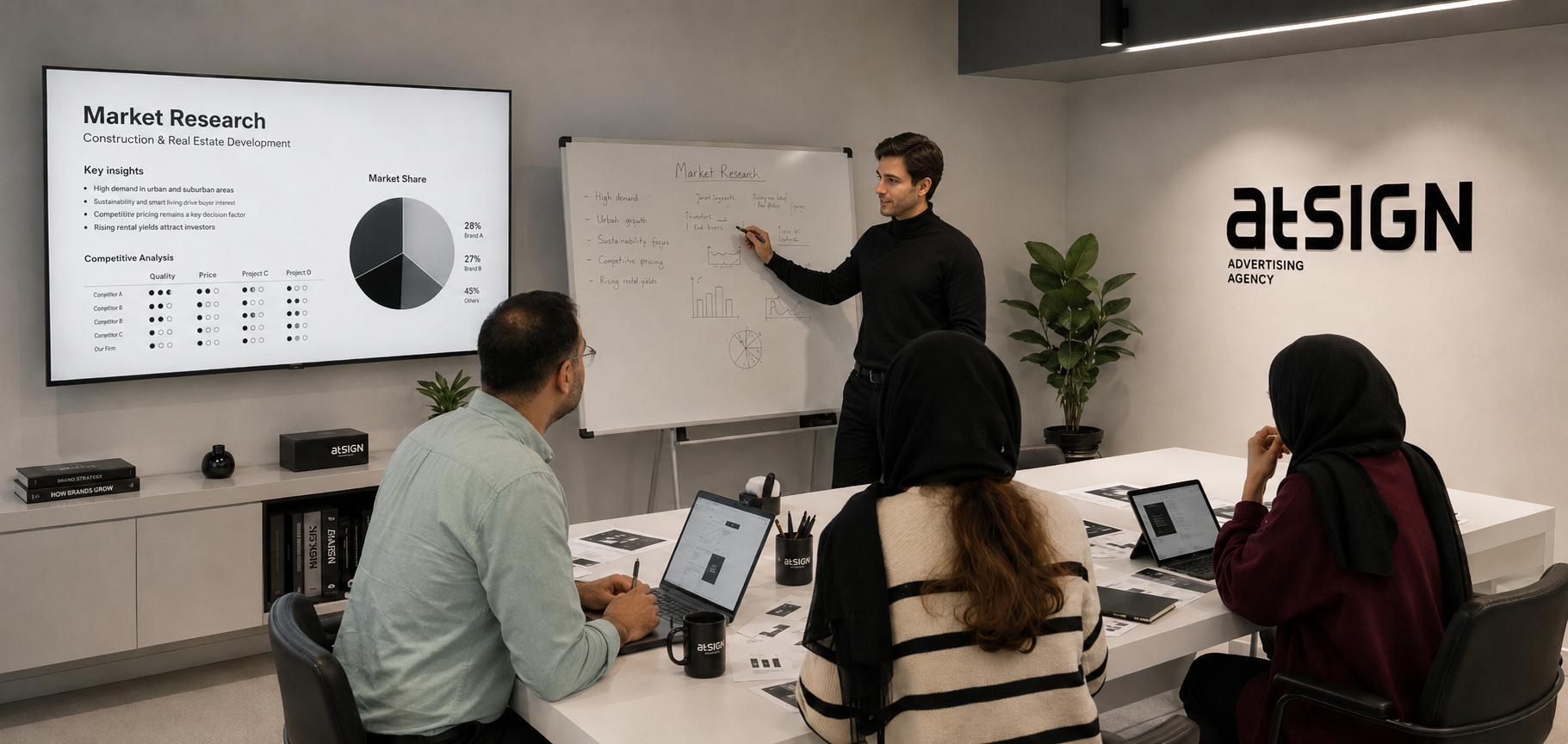
Reviewing competitors’ websites and social media pages is not enough. Conversations with customers, sales consultants, investors, architects, and even people who decided not to purchase can provide much more accurate insight into the market and Building a Construction Brand
Stage Two: Defining the Target Audience
A brand cannot appeal to everyone.
The audience of a family-focused residential project is different from the audience of a commercial complex or office tower. Even within one residential development, motivations may vary.
Some people buy for personal use, while others buy as an investment. Some pay close attention to architecture, appearance, natural light, and spatial quality. Others care more about location, services, resale potential, and the future value of the property.
A clear audience definition helps the brand communicate with the right people instead of trying to satisfy everyone.
Stage Three: Discovering Real Differentiation and Competitive Advantage
Many construction projects use the same familiar phrases:
- Unmatched quality
- Distinctive architecture
- The finest construction materials
- An exceptional location
- A luxury experience
- A new lifestyle
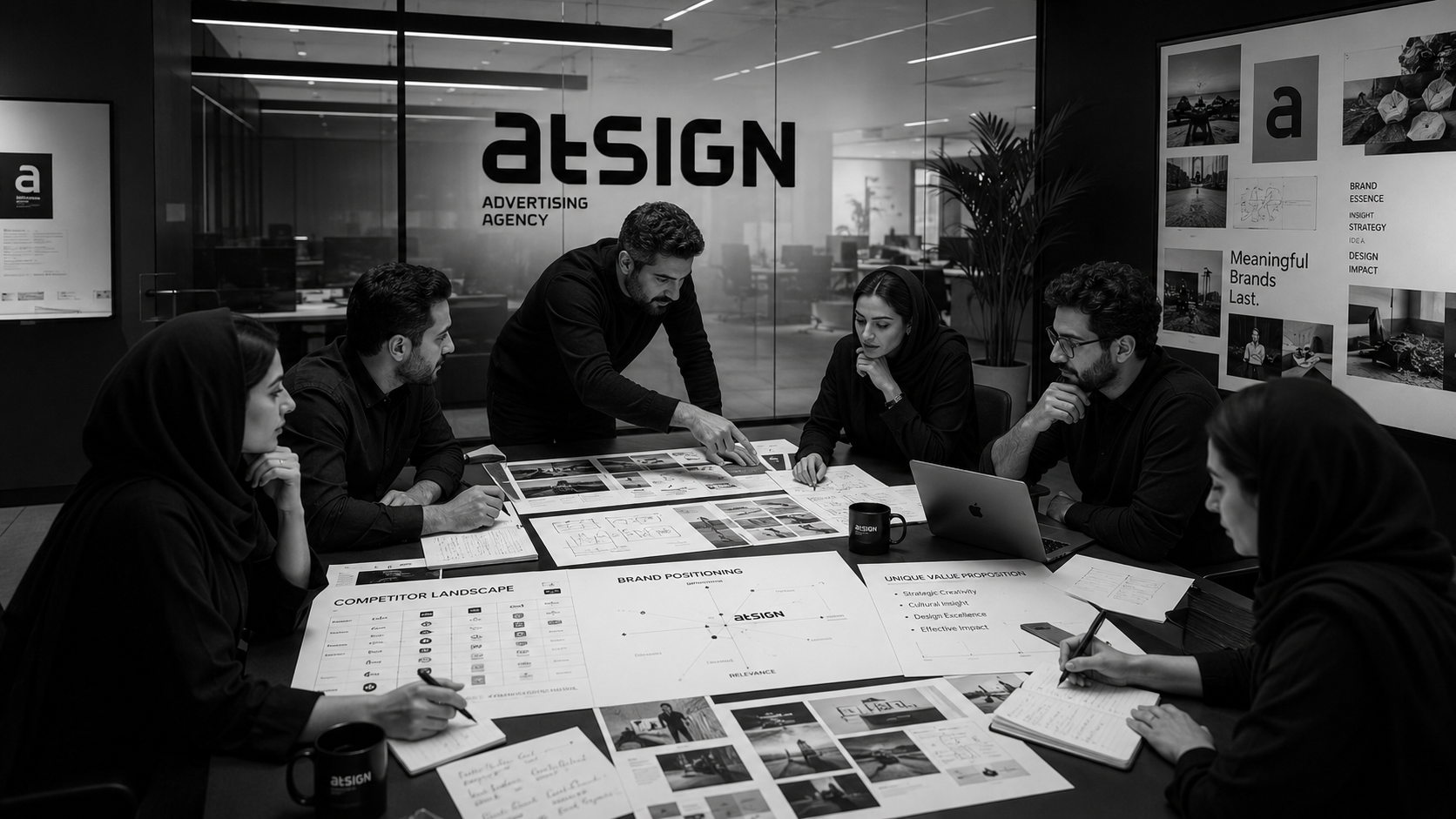
Without clear evidence, these claims do not create differentiation. They make the brand sound like everyone else.
A meaningful point of difference should meet three conditions:
- It must matter to the audience.
- It must be consistent with the reality of the project.
- It must be possible to prove.
Differentiation may be built around factors such as:
- A strong record of successful and on-time delivery
- Transparent contracts
- Specialisation in a particular architectural style
- A deep understanding of the target audience’s real needs
- Energy efficiency and compliance with energy standards
- High-quality construction details
- After-delivery services
- Professional property management
- A strong and structured sales experience
- A different approach to project design or development
Construction quality, for example, is a common claim. Providing technical documentation, identifying materials, documenting the construction process, and publishing quality-control reports turns that claim into a credible advantage.
Stage Four: Brand Positioning
Positioning defines the specific idea with which the brand should be associated in the audience’s mind.
A construction brand may be positioned as:
- Family-oriented and peaceful
- Premium and distinctive
- Architecture-led
- Transparent and dependable
- Forward-looking
- Affordable and intelligent
- Investment-focused
- Sustainable and energy-efficient
The brand position must emerge from the reality of the project. Advertising alone cannot turn an ordinary development into a luxury brand(Building a Construction Brand)
A positioning statement can follow this structure:
For audiences seeking [primary need], this brand provides [specific value] because [credible reason to believe the promise].
This statement becomes the basis for later decisions in naming, design, content production, sales, and advertising.
Stage Five: Naming and Verbal Identity
The project name is often one of the first parts of the brand that the audience encounters.
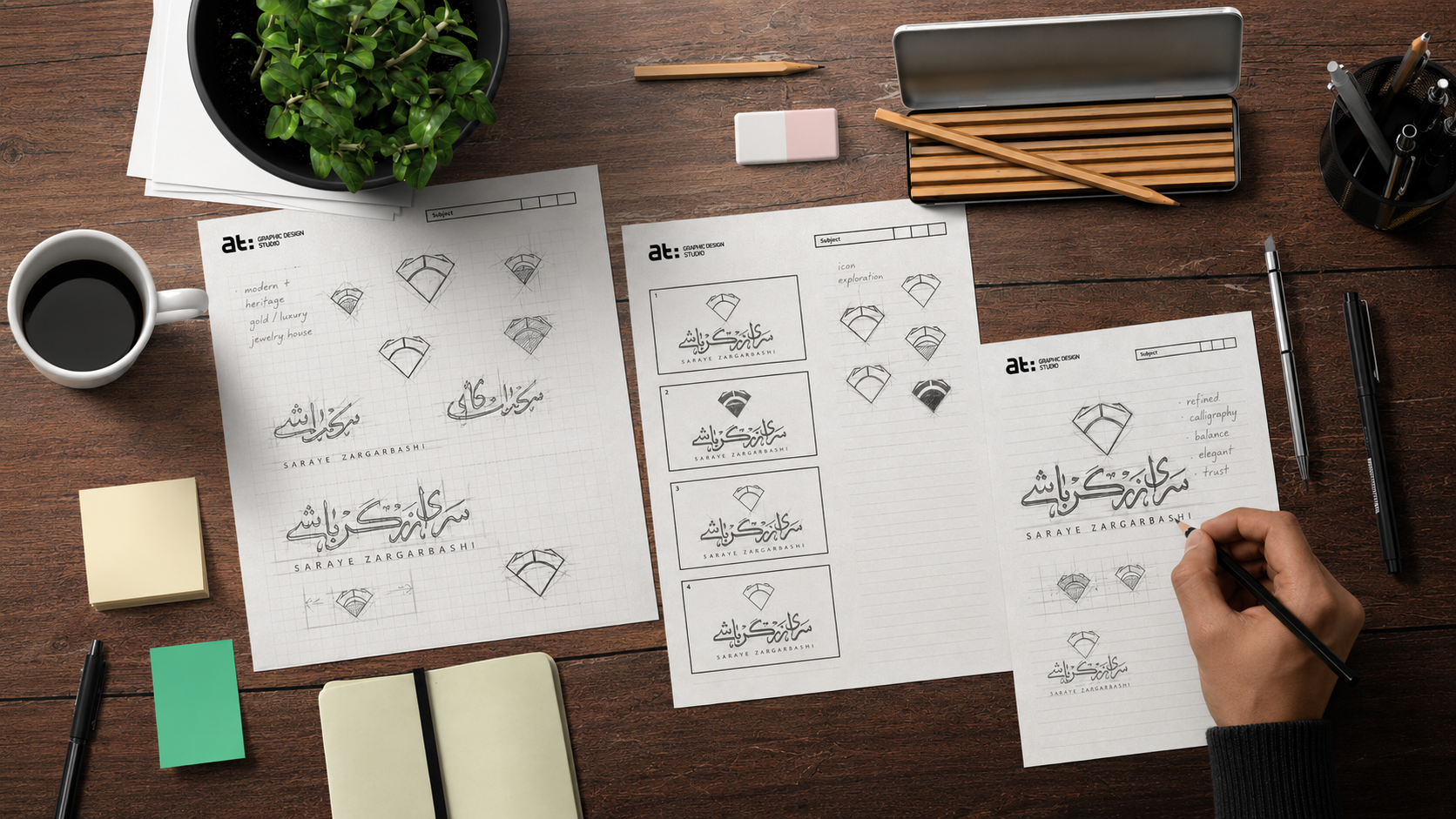
A suitable name should be:
- Simple
- Easy to pronounce
- Memorable
- Consistent with the personality of the project
- Distinct from competitors
- Suitable for visual development
The name should also be recognisable in online searches and legally available for registration and domain ownership.
After naming, the verbal identity is defined.
Verbal identity determines how the brand speaks, which words it uses, what tone it adopts, which promises it makes, and which messages it repeats.
An architecture-led brand should not communicate in the same way as a family-focused or investment-focused project.
Verbal identity appears in:
- The brand slogan
- Project introductions
- Website content
- Sales brochures
- Social media
- Advertising
- Sales presentations
- Correspondence and contracts
Stage Six: Visual Identity Design
The visual identity should translate the brand strategy into a visual and graphic system.
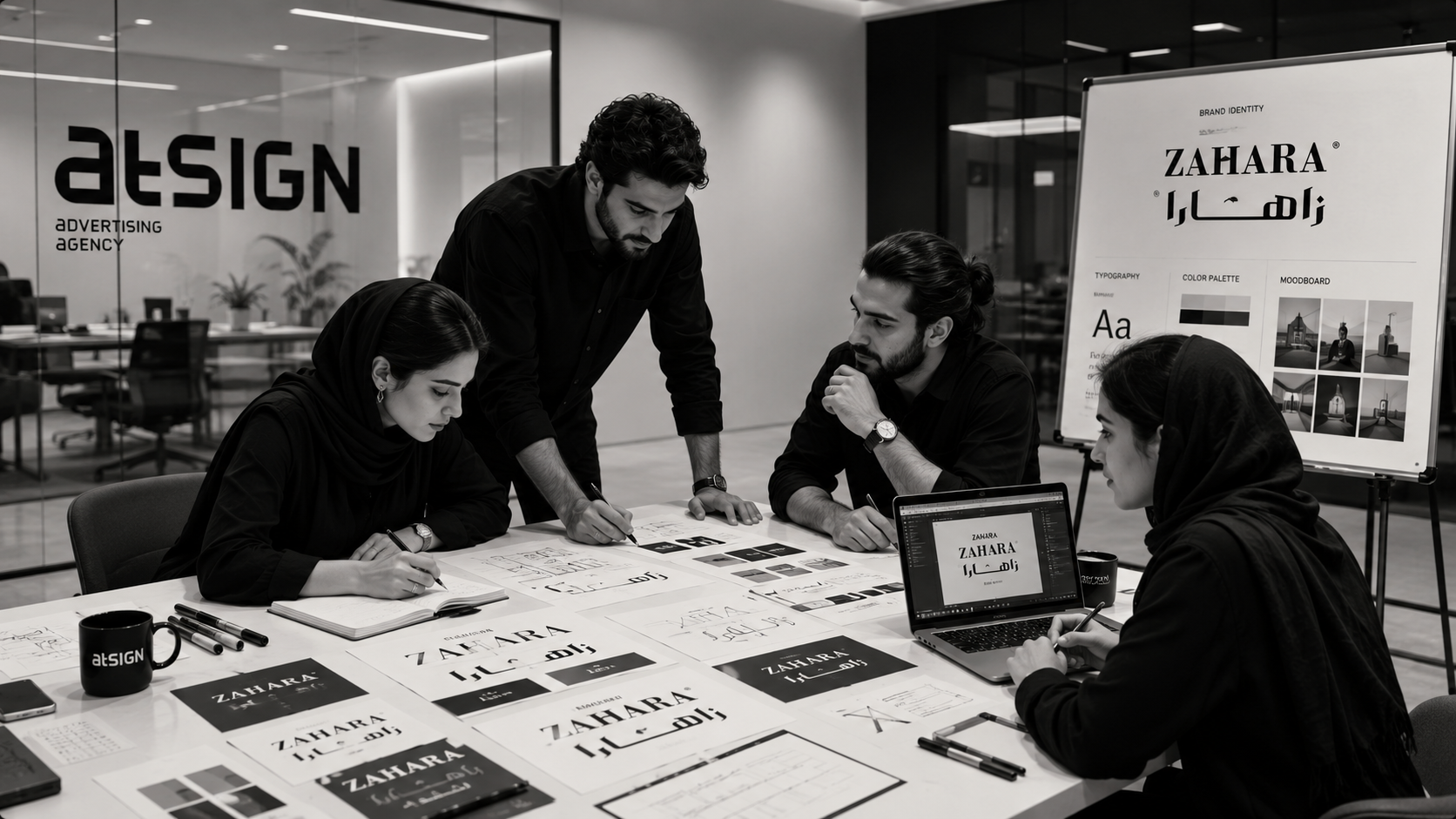
It is not limited to the logo. It includes:
- Logo structure and applications
- Primary and secondary colours
- Typography
- Photography style
- Graphic patterns
- Website templates
- Social media templates
- Other customer touchpoints
The visual identity of a calm, human-centred residential project should not look exactly like the identity of a formal and powerful commercial tower.
Beauty alone is not enough. The design must communicate the brand’s meaning, distinction, and personality.
Stage Seven: Designing the Brand Experience
Brand experience is one of the most important parts of the process. Many construction brands appear professional in design and advertising but fail during the customer’s real experience.
Customers do not experience the brand only through the logo or advertising. They experience it throughout the entire relationship:
- Initial contact
- Response from the sales consultant
- Receiving information
- Visiting the project
- Negotiation
- Contract signing
- Payment
- Progress reports
- Delivery
- After-sales service
When a brand claims transparency but provides unclear pricing or contracts, it breaks its promise. When it presents itself as precise and professional but responds inconsistently, the identity becomes difficult to believe.
Real branding happens when organisational behaviour matches the image presented in advertising.
Should the Company and the Project Have Separate Brands?
The answer depends on the business structure.
When a company develops several projects for different audiences and market positions, it may be better to separate the corporate brand from the individual project brands while maintaining a clear relationship between them.
In this structure:
- The corporate brand communicates the developer’s credibility, history, and philosophy.
- The project brand communicates the specific audience, characteristics, and experience of that development.
A company may develop both a mid-market family project and a premium office development. Using exactly the same identity for both may weaken their messages.
At the same time, completely hiding the developer’s name prevents the credibility earned through previous projects from supporting the new one.
The right solution is a clear brand architecture that defines how the company name, project names, and sub-brands appear together.
atSIGN’s Experience in Branding Construction and Commercial Projects
Building a strong brand in construction, real estate, and commercial development is not limited to designing a logo or selecting an attractive name. It requires market understanding, clear positioning, a consistent identity, and a narrative that creates a meaningful connection between the project and its audience.
atSIGN Advertising Agency designs and executes branding processes based on the location, target market, and development goals of each project.
Two examples are the Zahara branding project in Iraq and the Saraye Zargarbashi branding project in Iran.
Zahara: An International Real Estate Branding Experience in Iraq
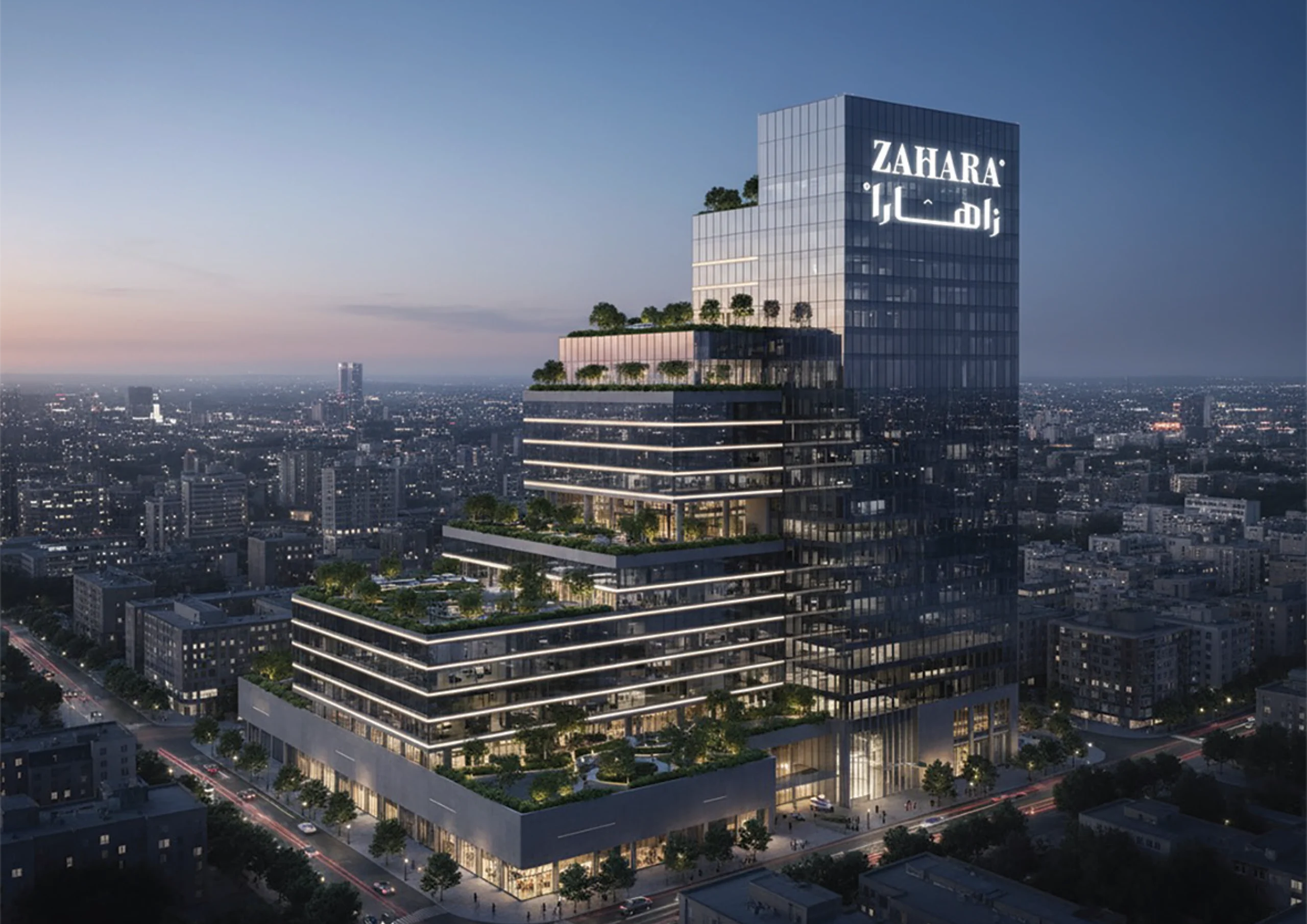
Zahara is a growing company active in construction development and investment in Iraq.
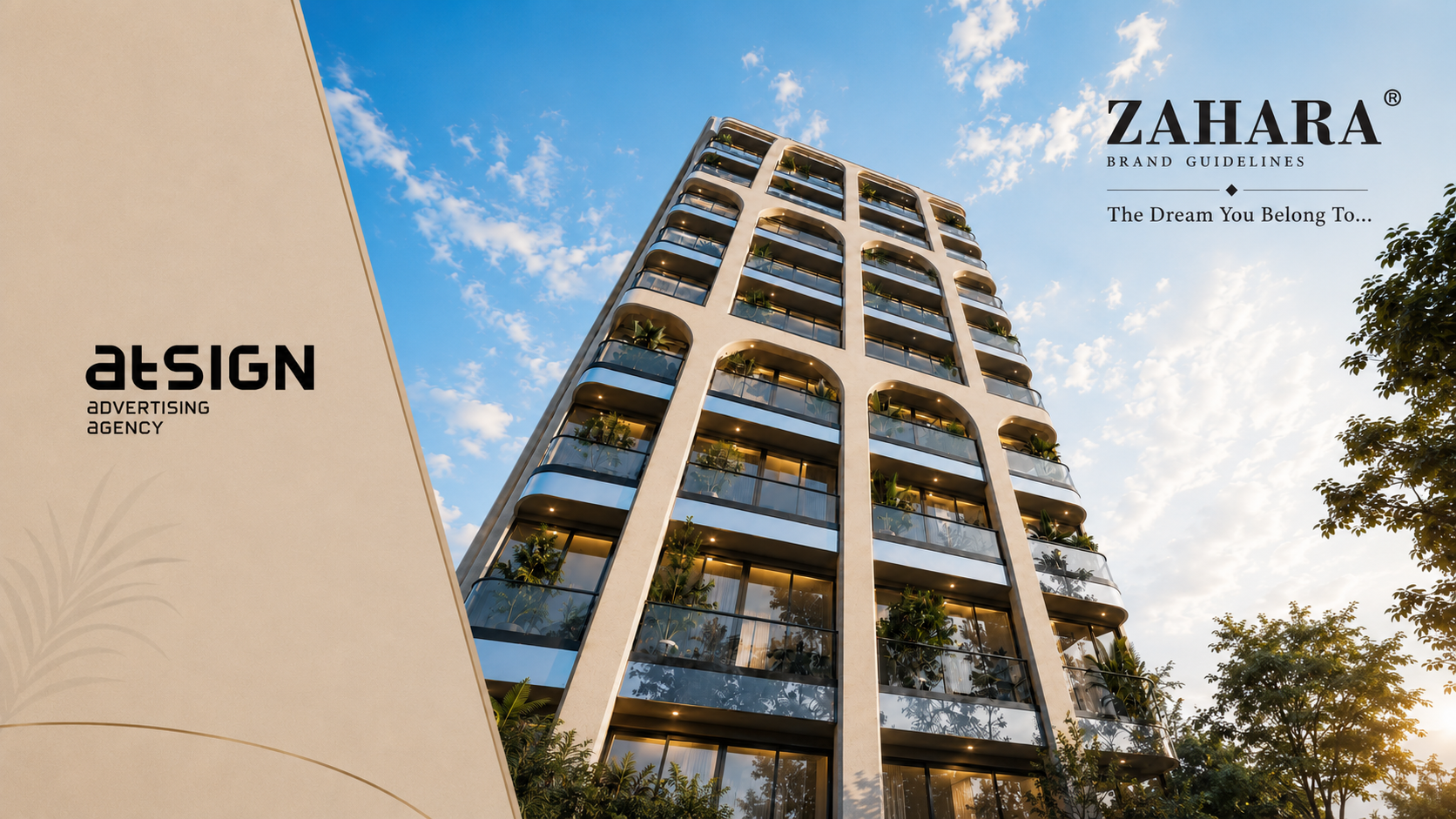
Entering the Iraqi market required a clear understanding of the country’s cultural, economic, and behavioural characteristics, as well as the creation of a brand suited to the competitive environment of the regional property market.
In the Zahara branding project, atSIGN developed the brand identity with a focus on market differentiation. The work included:
- Brand strategy and positioning
- Naming
- Verbal identity development
- Visual identity design
- Campaign planning
- Launch and digital content
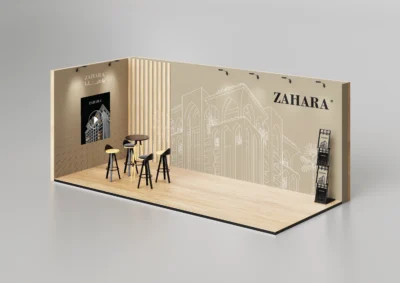
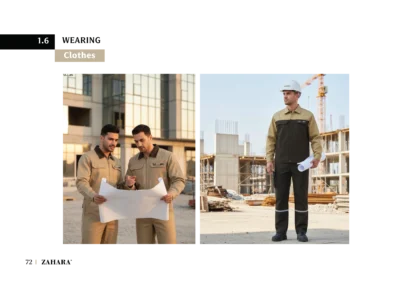
This international experience allowed atSIGN to approach the branding of a construction company through design thinking while also considering cultural differences, local market conditions, investor behaviour, and the communication needs of a regional brand.
[View the Zahara Branding Project]
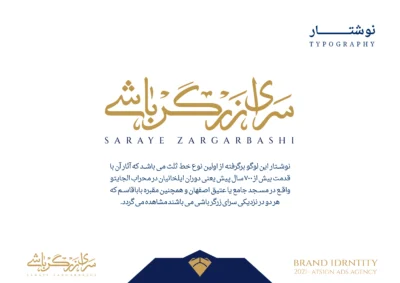
Saraye Zargarbashi: Branding a Specialised Gold and Jewellery Complex
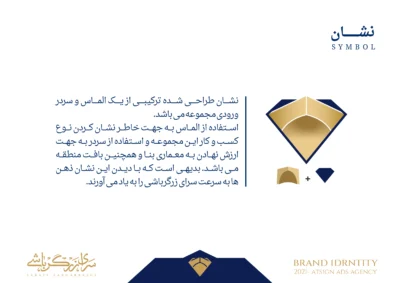
Saraye Zargarbashi is a specialised commercial complex in the gold and jewellery sector. The brand needed to build a credible and distinctive image for gold buyers, shop owners, investors, and industry professionals at the same time.

In a project like this, the brand must do more than introduce a building, shopping centre, or commercial complex. Its identity must communicate concepts such as credibility, authenticity, security, value, quality, and a differentiated purchasing experience.
In the Saraye Zargarbashi branding project, atSIGN focused on creating a consistent and distinctive image for the complex, positioning it as a specialised destination for purchasing and operating within the gold and jewellery market.
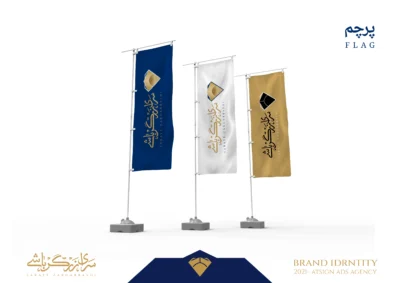
The collaboration has included:
- Brand communication design
- Digital content development
- Marketing planning
- SEO
- Seasonal campaigns
- Customer relationship structure design
[View the Saraye Zargarbashi Branding Project]
Where Should You Begin Building Your Construction Brand?
Every construction project and commercial complex has different characteristics, audiences, and opportunities. For that reason, a single branding formula cannot be applied to every project.
The correct starting point is to understand the market, analyse competitors, define the audience, and determine the position the project should occupy in their minds.
Drawing on experience in national and international projects, atSIGN helps developers, investors, and construction project managers build consistent and credible brands, covering the process from strategy and identity design to content production, campaign execution, and marketing communication development.
To discuss the branding direction of a construction or commercial project, contact the atSIGN team.